

Why Understanding Your Dog Changes Everything
Behavior Reset is about understanding your dog, changing patterns, and building clarity instead of relying on drills or quick fixes.
I’ve noticed a pattern in this whole dog world: when training gets confusing, it’s usually because most programs ask the wrong question.
They ask: “How do I get my dog to do this?”
But the real question should be: “Why isn’t this already happening?”
Most owners don’t reach out because their dog is “bad.” They reach out because things feel messy and inconsistent… unpredictable… unclear. Chaotic. They’ve tried obedience drills or nothing at all. They’ve tried advice from friends or videos online. Plenty of people have even worked with trainers before. But if nothing has given them a path forward that actually makes sense in their real life, it still feels like spinning in place. That’s why I built Behavior Reset. And before I get into what it is, it matters to say what it isn’t. Behavior Reset isn’t some quick fix that glosses over the real challenges. It’s not a bandaide. It’s not another program full of generic drills that look good on a poster but fall apart in the street or the store or the front yard. It’s not about pressure or repeating a bunch of commands over and over with no deeper structure.
Instead, Behavior Reset was designed around one thing: understanding.
Understanding the dog. Understanding why the behavior exists. Understanding how the human plays into that dynamic. And understanding how change actually happens outside the perfect environment of a training session. Most behavior patterns a dog has didn’t start overnight, and they won’t disappear overnight either. But patterns do change when the human is given a framework that actually fits their life not just a series of drills. The core idea behind Behavior Reset is that behavior isn’t just something a dog does. Behavior is something your dog experiences. Dogs notice timing, energy, structure, rhythm, and consistency long before they notice leash pressure or treats. When those pieces are muddled, the dog guesses. Guessing becomes stress. Stress becomes reaction.
So Behavior Reset starts not with a checklist, but with clarity.
We take a step back and look at everything we can actually see in your dog’s world: what happens before a reaction, how your dog reads your energy, how routines support or undermine success, and how life situations tend to repeat the same patterns. I don’t guess at what might help. I identify what actually needs to change. Then, instead of throwing a huge process at someone and hoping they keep up, I build a custom written roadmap not just exercises, but structure, timing, and realistic ways to handle situations that have caused confusion or frustration in the past. This isn’t about rigid obedience. It’s about creating a way forward that you can trust and follow consistently. Its the long game.
And just as importantly, it’s about helping the human change their own approach where it matters most. Dogs are incredibly aware of how humans show up; they read timing and tone before they read commands. I don’t think owners are failing on purpose. I think most of them were never given a path that actually fit their lifestyle and their dog’s experience in the world.
Whether you have a puppy, a seasoned adult, or a dog with “quirks” that make everyday life feel harder, Behavior Reset isn’t about labeling or fear. It’s about clarity and structure and intentionally adjusting the patterns that already exist. When those pieces change, behavior follows not because it’s forced, but because it starts to make sense.
This is a different approach to training, and it’s one that respects the dog and the human as a team, not a problem and a fixer. It’s real time change in you both. If that perspective resonates with you, take a look at the Behavior Reset program and see if it feels like a path forward worth exploring. It’s available to everyone globally.
What Your Dog Can Teach You About Life, Leadership, and Presence?
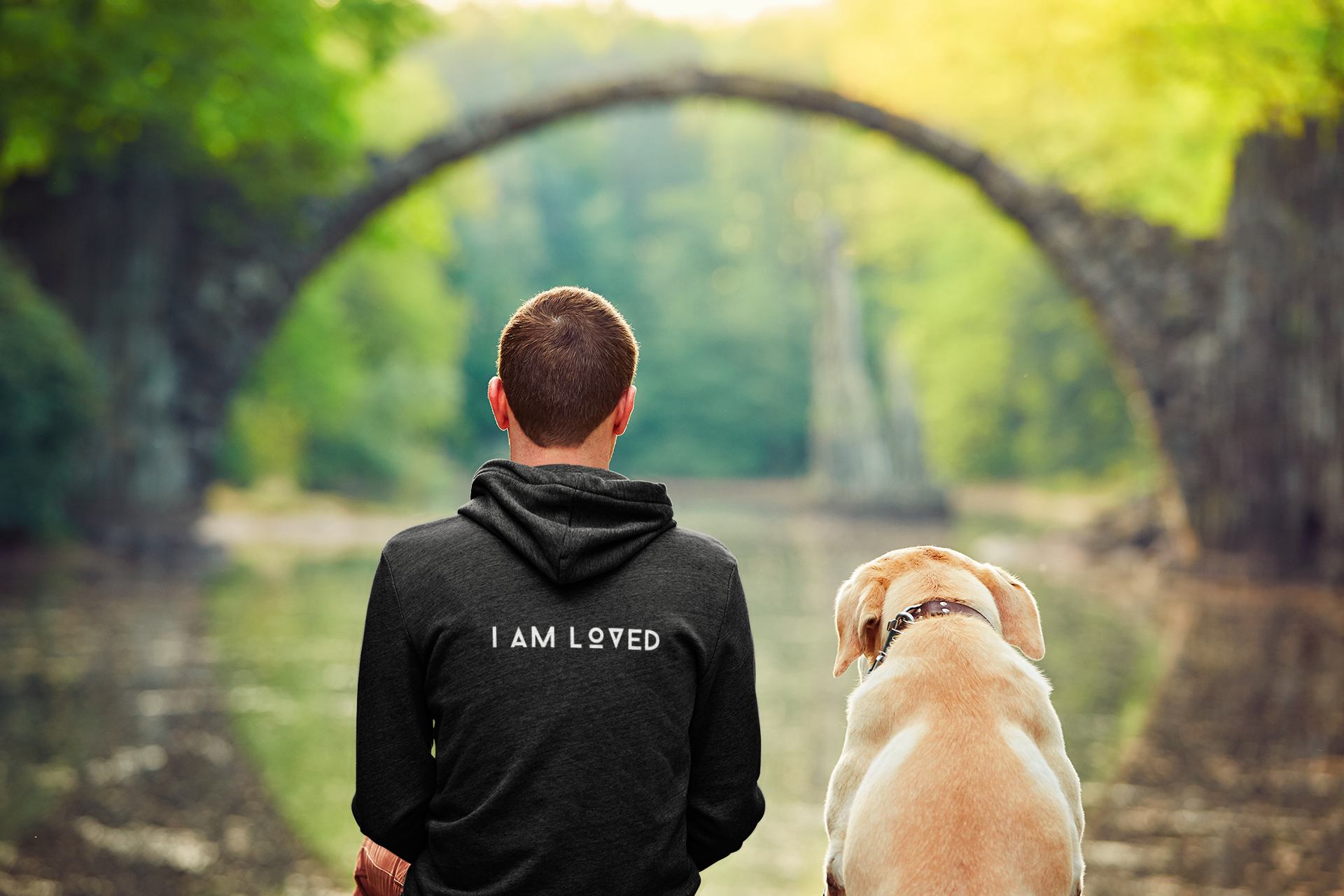
Ever thought your dog could teach you more than tricks? From mindfulness to leadership, discover how observing and training your dog can transform your life and your relationship with your furry companion!
What Your Dog Can Teach You About Life, Leadership, and Presence
Dogs are more than furry companions, they’re teachers, mirrors, and guides. When we take the time to observe and connect with them, we start noticing lessons that go far beyond obedience. From mindfulness to leadership, your dog can show you how to live with more clarity, joy, and presence. Here’s how to turn your dog’s natural instincts into life changing insights.
Presence and Mindfulness
Dogs live fully in the moment. Whether they’re sniffing a new trail or settling in for a nap, their energy is fully invested in what they’re doing. As owners, we often rush through life without noticing the details. By slowing down and observing your dog, you can practice mindfulness and focus too. Try this: Spend five minutes a day with no distractions simply watching your dog without interacting. Just be. Notice how they explore, react, and focus. Reflect on how this presence can influence your own daily life whether in training or in your relationships. Don’t expect this to be easy the first few times. It’s like building muscle. Be patient. Ditch your phone. Turn off the tv or music.
Consistency is Key In Life and In Training
Dogs thrive on routines and consistent expectations. They learn faster when boundaries, commands, and rewards are predictable. This principle isn’t just for training it applies to personal growth too. Small, daily actions compound into lasting results, whether it’s reinforcing good behavior in your dog or building a habit for yourself. What doesn’t change…You chose. Rather you realize it or not. You can’t expect different results if you don’t do something different. Actionable tip: Pair a daily dog training session with a personal practice, like journaling or a morning walk. Consistency for both you and your dog leads to stronger connection and better results. It’s literally the best accountability buddy you could ask for. Tap into it.
Leadership Through Calm Confidence
Dogs follow leaders who are calm, confident, and clear. They can sense frustration, uncertainty, and hesitation and respond accordingly. The same applies to humans. Leading with calm confidence in training and in life creates respect, trust, and cooperation. Exercise: Focus on being calm and clear during your next interaction with your dog. Notice how they respond and reflect on how this translates to your human relationships and decision making.
Empathy and Non Verbal Communication
Dogs communicate primarily through body language and energy, not words. Observing their cues can teach you to pay attention to non verbal communication in your own life. Empathy grows when you learn to notice what your dog is “saying” through posture, movement, and tone. Practice: Watch for subtle signals today maybe a tail wag, a paw lift, or a glance. Respond with understanding, not correction. This practice deepens connection and strengthens your observational skills. Humans without realizing will spend most of their time and relationship with their dog trying to correct or extract something from the dog rather its a behavior or command or affection so on so forth. But imagine if you could learn to exchange communication and learn what you both need or want rather than a life time of one sided communication.
Joy, Curiosity, and Play
Dogs are naturally curious and find joy in the small things a stick, a breeze, or a game of chase. Play isn’t just fun; it’s how they learn, explore, and bond. Humans can benefit by embracing curiosity and injecting play into learning and everyday life. Tip: Dedicate 5–10 minutes of playful engagement during training sessions (or just for fun). Let curiosity guide the interaction. You’ll notice your dog learns faster and your bond deepens. The will essentially start asking for it.
Dogs as Mirrors and Guides
Every interaction with your dog is an opportunity to learn not just about them, but about yourself. They reflect our energy, challenge our patience, and teach us lessons in presence, leadership, and joy. This is an entire rabbit hole in itself and may just be its own blog at some point. But to sum it up…If your dog is struggling in some area. Chances are you are too. Most humans will ignore this or just not even be aware of it. Allow yourself to go there. Look inward. Ask yourself where your dog is picking up on its behavior. After all it is humans who condition dogs to be the way they are. Note that genetics still do play a part here.